Inception: Dreaming Bigger Than Reality
Only a handful of films have sparked as much discussion, admiration, and curiosity as Inception. Released in 2010 and written and directed by Christopher Nolan, the film blends heist-movie tension with science fiction, psychology, and a constantly shifting sense of reality. The result is a sleek, ambitious thriller that still feels bold and fresh.
A High-Concept Story
The film follows Dom Cobb, a skilled extractor who enters dreams to steal secrets from the subconscious. Instead of stealing an idea, Cobb and his team are asked to plant one: an act called inception. That simple premise unfolds into layered dream worlds, where time bends, danger multiplies, and every scene raises the stakes.
Why It Still Stands Out
Inception really stands out for its striking visuals, intricate structure, and emotional core. Beyond the spectacle, it is a story about memory, guilt, and the need to let go. That balance between blockbuster scale and personal drama is one reason the film continues to attract new audiences.
Iconic Elements
- The rotating hallway fight
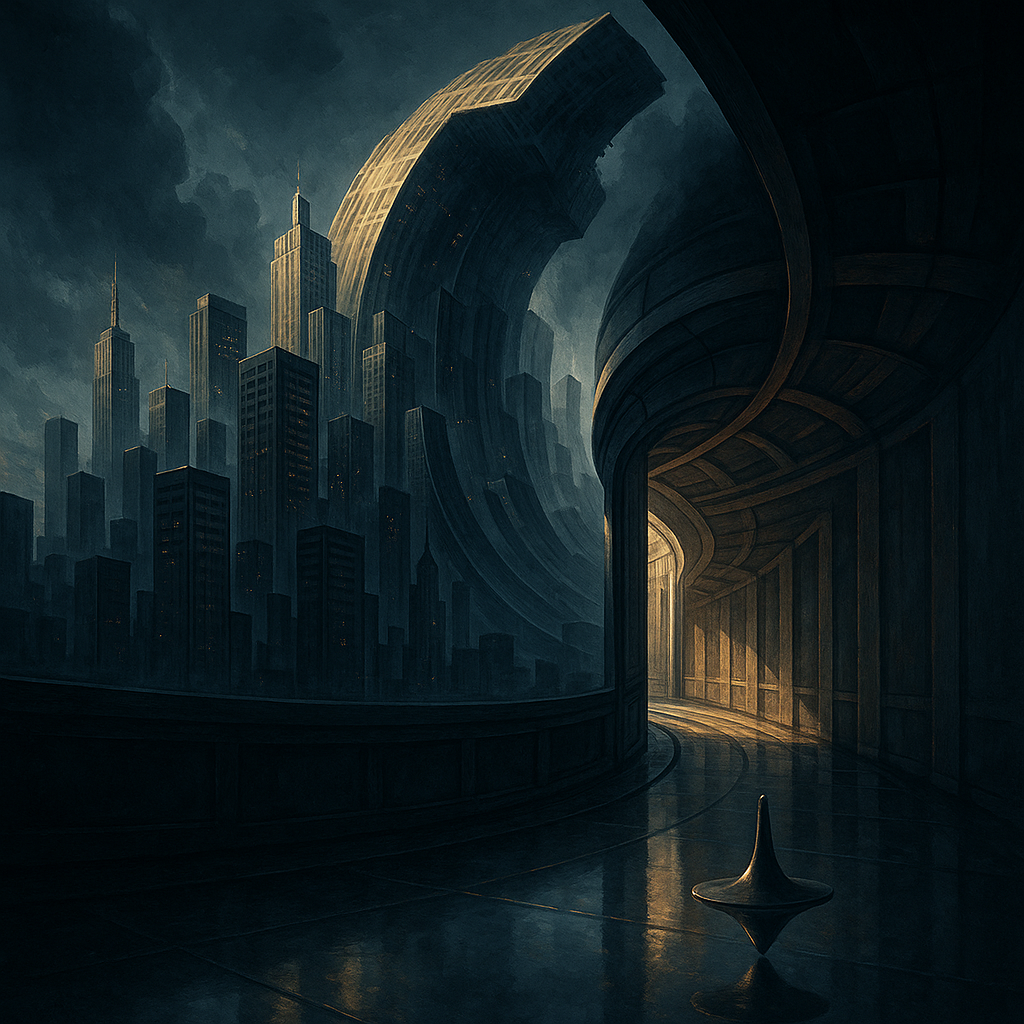
- The folding cityscape
- Hans Zimmer’s powerful score
- That famous spinning top ending
A Film That Invites Debate
The ending of Inception remains one of cinema’s most discussed moments. That ambiguity is part of the film’s appeal: it trusts viewers to interpret what they have seen and decide what matters most. In the end, the movie is less about solving a puzzle than experiencing one.
Inception is not just a film about dreams. It is a film that behaves like one.
Whether you watch it for the action, the mystery, or the emotional story beneath the spectacle, Inception remains a landmark modern film that rewards repeat viewing.